TPO Free Gel Polish: Why Salons Are Switching
22 Sep 2026 · 4 min read
A single photoinitiator has quietly become one of the most discussed ingredients in the professional nail industry over the past year. TPO free gel polish has moved from a niche preference to something a growing number of salons actively look for when restocking, driven largely by regulatory changes and a closer look at what technicians are exposed to daily.
Understanding what TPO actually does, and why its use is being reconsidered, helps a salon make an informed stocking decision rather than following a trend without knowing what is behind it.
What TPO Does in a Gel Polish Formula
TPO, or diphenyl phosphine oxide, functions as a photoinitiator, meaning it triggers the chemical reaction that cures gel polish under UV or LED light. It has been a common ingredient across the industry because it cures efficiently and helps formulas set quickly under standard salon lamp times.
Its role is purely functional rather than cosmetic, which is why most clients have never heard of it despite it being present in a large share of gel products used across salons for years.
Why Regulators Have Started Restricting TPO
The European Union reclassified TPO as toxic for reproduction and banned its use in cosmetics from September 2025, a significant regulatory shift that has drawn attention to the ingredient well beyond Europe. This kind of classification typically follows accumulated toxicological data rather than a single isolated finding.
India has not currently restricted TPO in cosmetic products, which means the ingredient remains legal to use domestically. That gap between international regulatory action and local rules is exactly why some salons are choosing to get ahead of the issue rather than waiting for local regulation to catch up.
What Switching to TPO Free Formulas Actually Involves
Reformulating a gel polish without TPO means using an alternative photoinitiator system to achieve the same cure performance under UV or LED light. A well-executed switch should not noticeably change cure times or final finish quality if the alternative system is properly balanced.
Salons considering a switch should test a few shades under their existing lamp setup before committing an entire colour wall to a new formula, since cure performance can vary slightly between brands even when both claim TPO free status.
The Occupational Exposure Argument for Switching
The same logic that applies to HEMA exposure applies here. A client having an occasional gel manicure faces limited exposure to whatever photoinitiator system is in use, while a technician curing dozens of nails daily is exposed repeatedly over years of work.
Precautionary reformulation, choosing to remove an ingredient once meaningful concern has been raised even before local regulation forces the issue, is becoming a more common approach among salons that see occupational safety as part of running a responsible business rather than a purely compliance-driven decision.
How to Evaluate a TPO Free Claim Before Restocking
Ask a supplier directly whether TPO has been removed and replaced with an alternative curing system, rather than assuming a general safety claim automatically covers this specific ingredient. Formulas can be HEMA free without being TPO free, and the two claims are not interchangeable.
Checking whether a brand publishes full ingredient information, rather than relying on a badge alone, gives a clearer picture of whether a TPO free claim reflects genuine reformulation or simply marketing positioning around a trending topic.
Explaining the Switch to Clients and Staff
Most clients will not ask about TPO specifically, but staff should understand why a salon has made the switch, particularly if cure times or application feel slightly different after a reformulated product replaces a familiar one. A brief team conversation avoids confusion during the transition period.
Framing the change around technician wellbeing, rather than presenting it as a response to client demand that may not actually exist yet, tends to land more honestly with both staff and clients who ask.
Where to Find TPO Free Gel Polish for Salon Use
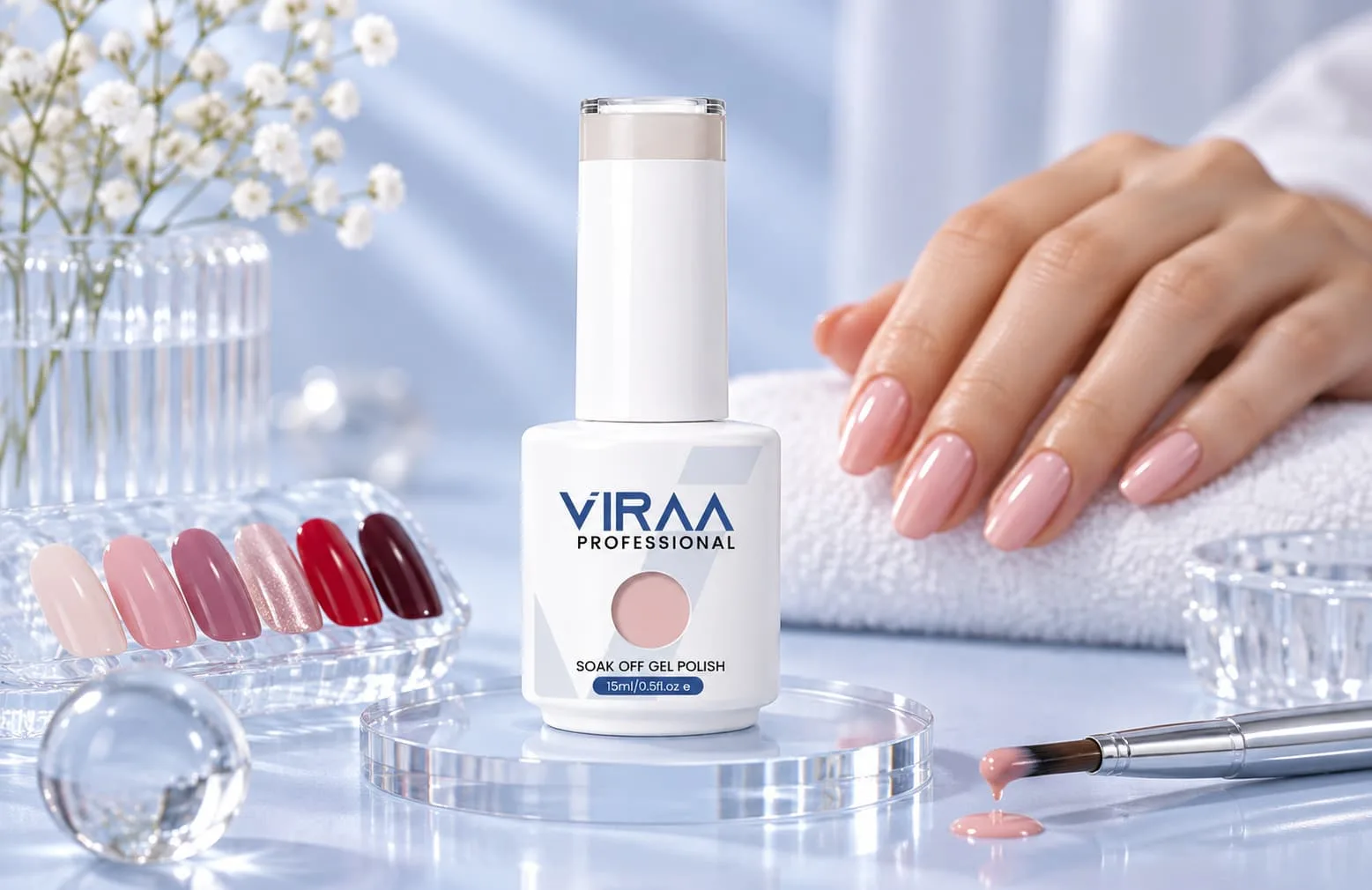
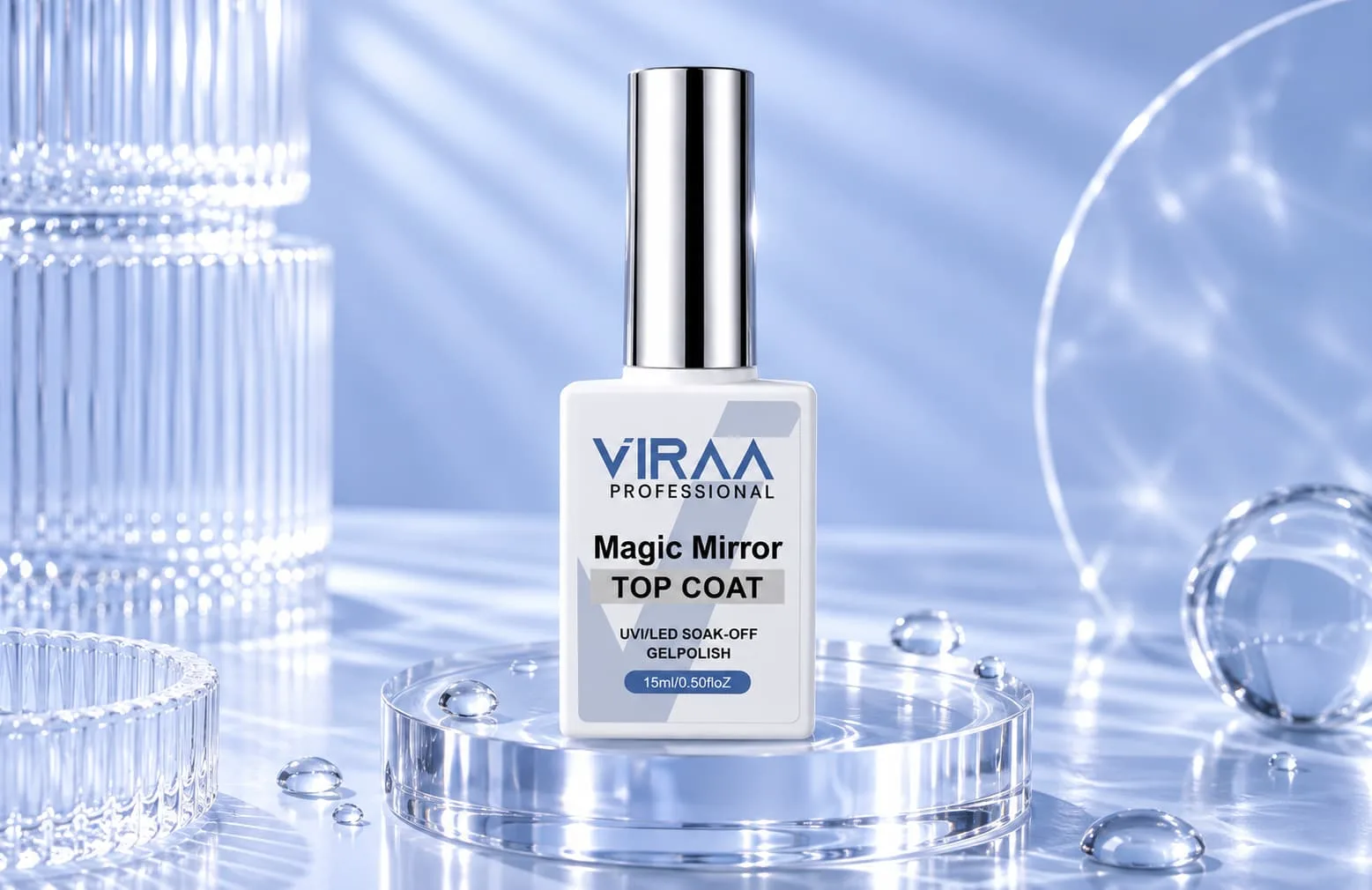
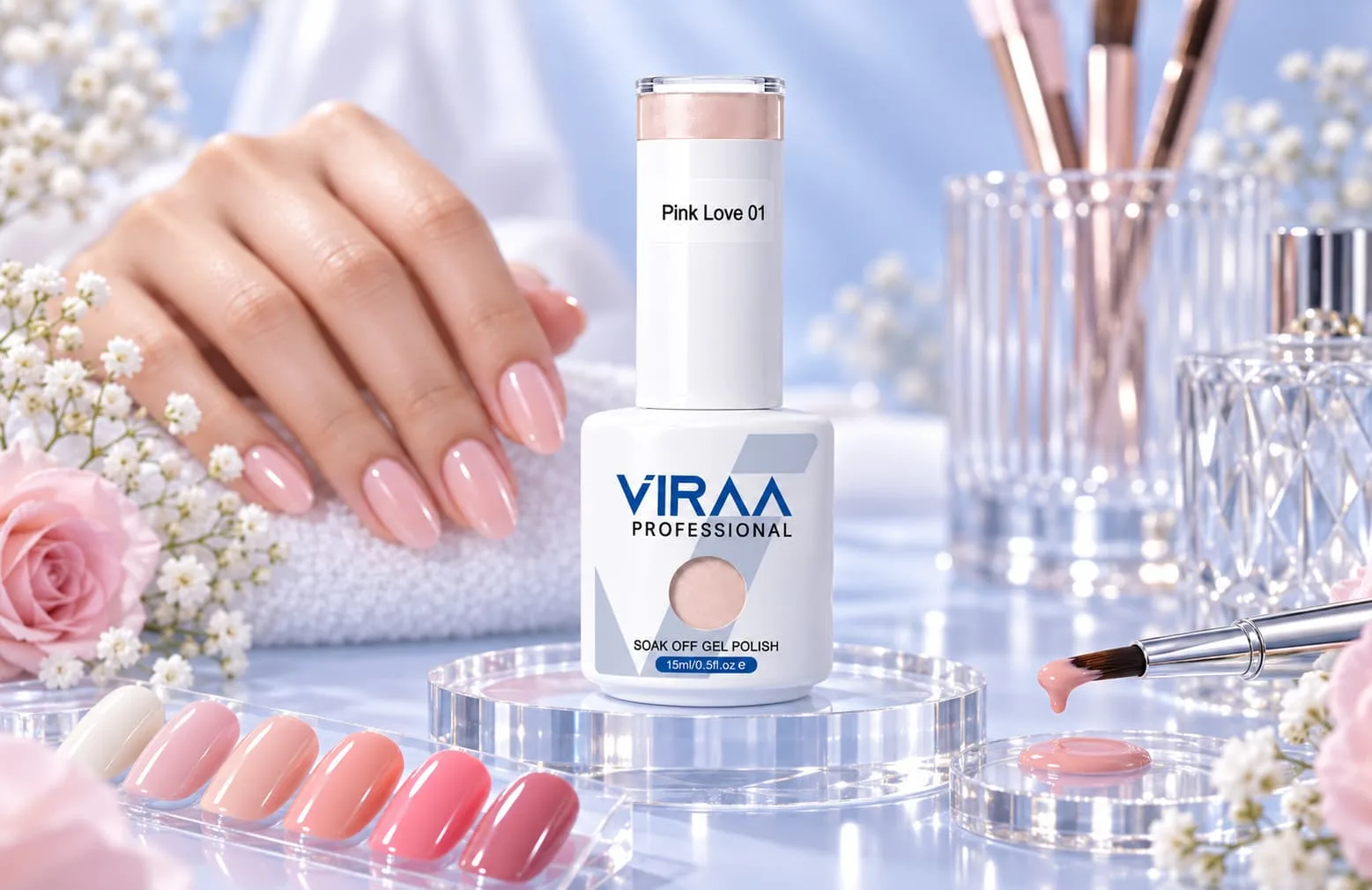
VIRAA Professional formulates its entire gel polish collection without TPO or HEMA, cured reliably under both UV and LED lamps at standard salon cure times. The same standard applies across the brand's nail art effects range and top and base coat collection.
Salons planning a full colour wall switch can browse the complete shop to compare shade availability before restocking.
Get ahead of a shift the wider industry is already moving toward. Explore a gel polish range formulated without the photoinitiator now under regulatory scrutiny elsewhere.